Energy & Efficiency
Explore our expert articles and guides about saving energy and reducing electricity costs with smart home technology
Quick ways to cut wasted power
Use this section to find fast, practical energy wins before the next bill arrives. Start with the devices that draw standby power and the automations that run when you are not home.
- Check standby draw with an energy-monitoring smart plug and unplug the worst offenders.
- Schedule heavy loads (kettles, heaters) for off-peak windows and prevent unsafe pairings.
- Use occupancy-based lighting and thermostat setbacks so empty rooms are not burning watts.
Measure first, then automate
Pick one room and log a week of usage with a monitoring plug on anything that heats, cools, or spins. Note the watts at idle and under load. If standby draw is over 2W, put that device on a schedule or a hard off state when you leave. Automate lights by motion and daylight, but avoid rules that clash with voice or manual use; leave one wall switch as a manual override.
For HVAC, set a single setback schedule tied to occupancy rather than stacking app routines, thermostat learning, and utility demand-response. Conflicting rules waste energy. If you have window units or space heaters, verify the smart plug is rated for the load (15A/1800W typical in North America) and test for heat at the plug after 15 minutes of use.
Prioritize upgrades that move the bill
Start with LEDs in every high-use fixture; they drop lighting load by ~75% immediately. Replace basic thermostats with models that support geofencing and scheduling; aim for 4-6°F setbacks when away and overnight. Add smart strips or plugs to entertainment centers and office gear; those bundles often draw 10-30W when "off."
For heavy appliances, shift usage to off-peak if your utility offers time-of-use rates. A simple schedule on washers, dryers, and dishwashers saves more than micro-tuning lights. If you cannot move schedules, use load-shedding: prevent multiple heaters or kettles from running together by staggering start times 5-10 minutes.
Keep it safe and maintainable
Never put resistive loads like space heaters on un-rated plugs; check labels for amperage and UL/ETL listings. For electric kettles and air fryers, test with a clamp meter once to confirm draw stays within spec. Label every smart outlet with its max load and the automation that controls it so housemates know what to expect. Keep a quarterly calendar reminder to dust vents on gear, re-run your monitoring plug on the top five loads, and verify breaker warmth during peak use.
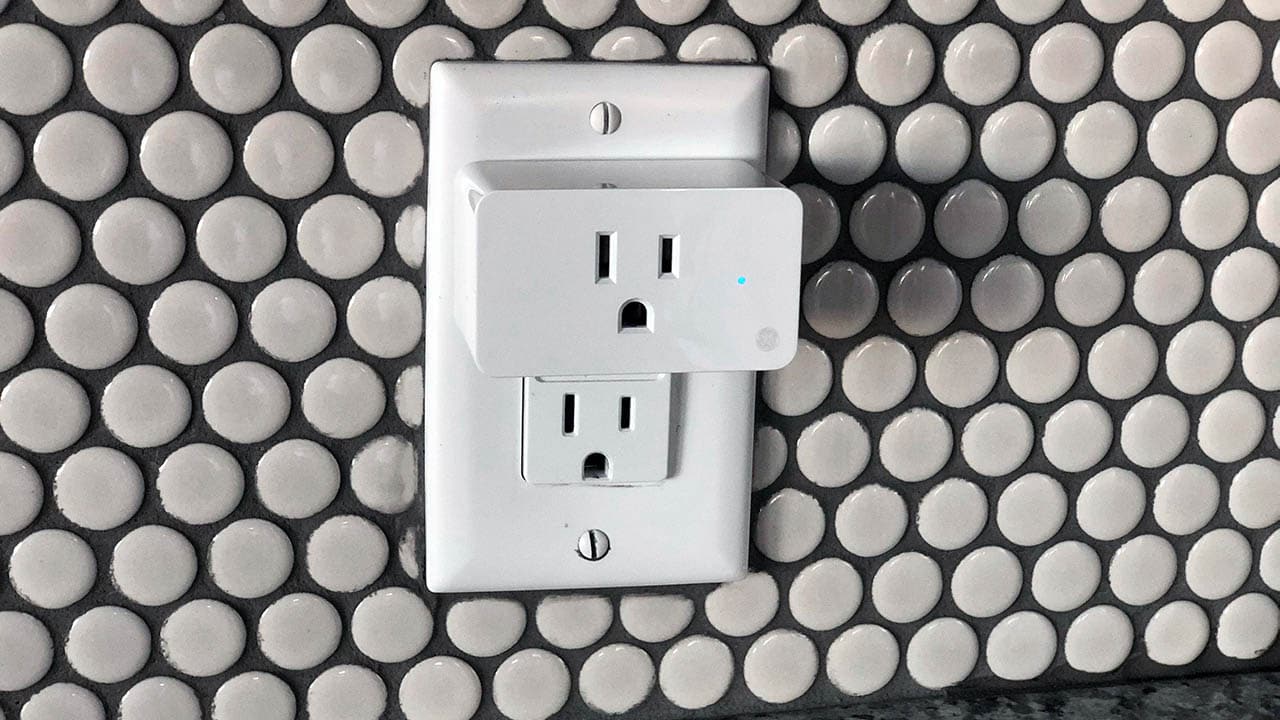
How I Check If Smart Plugs Use Electricity When Not in Use
Measure standby draw, spot vampire devices, and set schedules that cut idle waste without breaking automations.
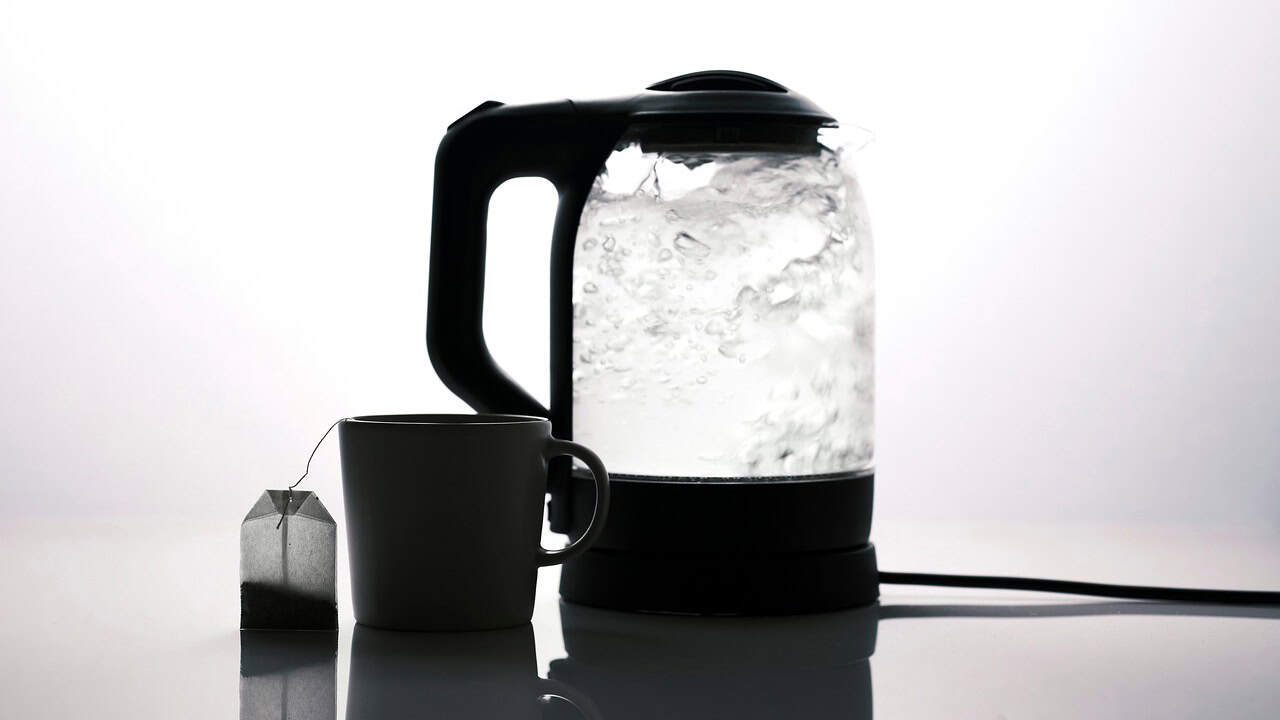
How I Check if a Smart Plug Can Turn On a Kettle
When to automate boiling water, which plugs are safe to use, and how to avoid tripping breakers or voiding warranties.
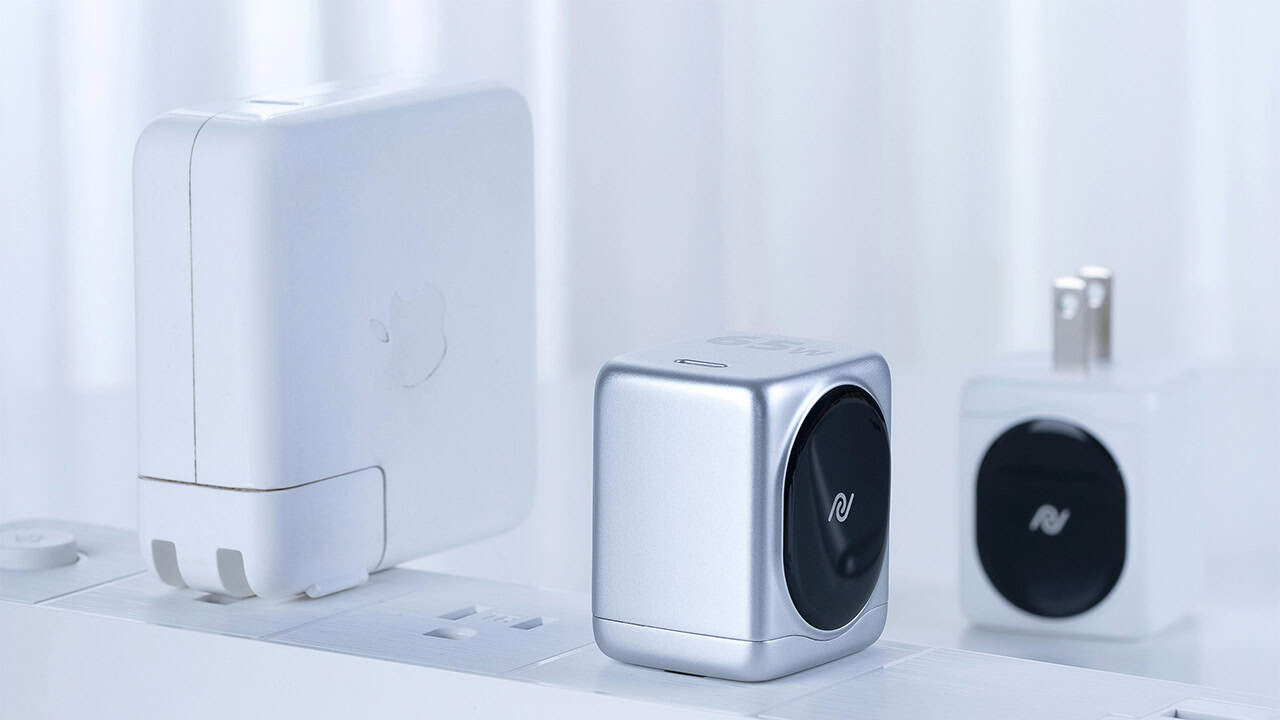
What Should You Not Plug Into a Smart Plug? My No-Go List
Appliances to keep off smart plugs, load ratings to check, and how to choose energy-safe alternatives.
Fast checklist before you buy more gear
- Confirm your circuit capacity and outlet type before adding high-wattage smart plugs or heaters.
- Prefer plugs with energy monitoring so you can verify savings, not guess them.
- Label automations that run while you are away; disable anything that heats or boils when the house is empty.
- Group loads logically: one rule per room for lights, one per circuit for heaters; avoid overlapping schedules.
- Re-test after changes: run a 48-hour check on usage to prove a rule actually lowered draw.